For CTA trainer Paul "Grizz" Knaap, being able to pass an assessment and being ready to step onto a live worksite aren't necessarily the same thing.
After more than a decade working on the road, he's seen what good preparation can prevent and what can happen when it isn't there.
“I've witnessed first-hand people being hurt and been involved in companies where traffic controllers were killed.”
Paul says.
“This can be reduced and prevented with the right vocational training, placement hours and practical assessment.”
It's a big reason why practical training is such an important part of how Paul teaches here at CTA.
Creating The ‘Light Bulb’ Moment
Ask Paul what happens when students move from theory into practical training and he'll tell you there are people in every class who simply learn by doing.
“Every single class, there are a few who have that light bulb moment. That's something I love being a part of.”
It might happen while learning to communicate effectively over a UHF, performing shuttle flow or working through a scenario that suddenly gives context to something discussed earlier in the classroom.
For Paul, those aren't just exercises to complete. They're opportunities to start building habits.
“Safety is a result of preparation, careful planning, systems and procedures.”
His goal is for students to leave with what he describes as a mental checklist. A systematic way of approaching the job, anticipating what could happen next and reducing risk before it becomes an incident.
Or, as Paul puts it in slightly less technical terms:
“The training material can be like dried Weet-Bix. Industry examples and knowledge add the milk and sugar. That's what makes it easier to digest.”
When Preparation Becomes Confidence
Paul's students see the difference too.
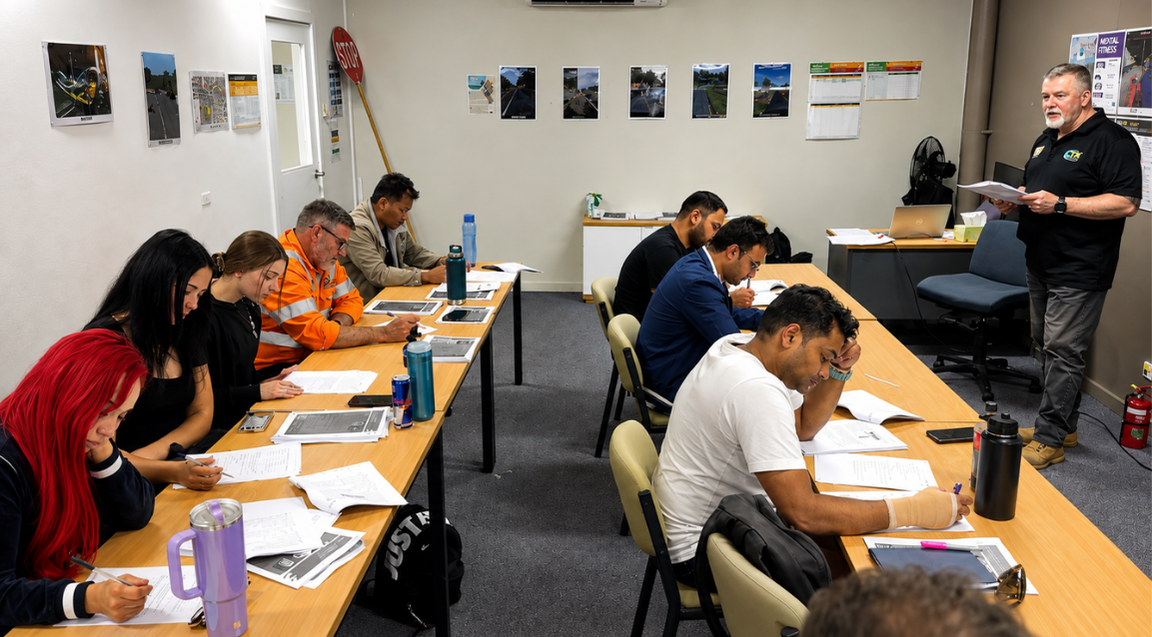
A recent TC2/TMI2 class described practical training as the point where the theory started making sense. Real industry examples created the “that's what he meant” moments once they were on the job.
The recurring theme from the class wasn't simply that they knew more.
They felt more confident, less anxious and better prepared.
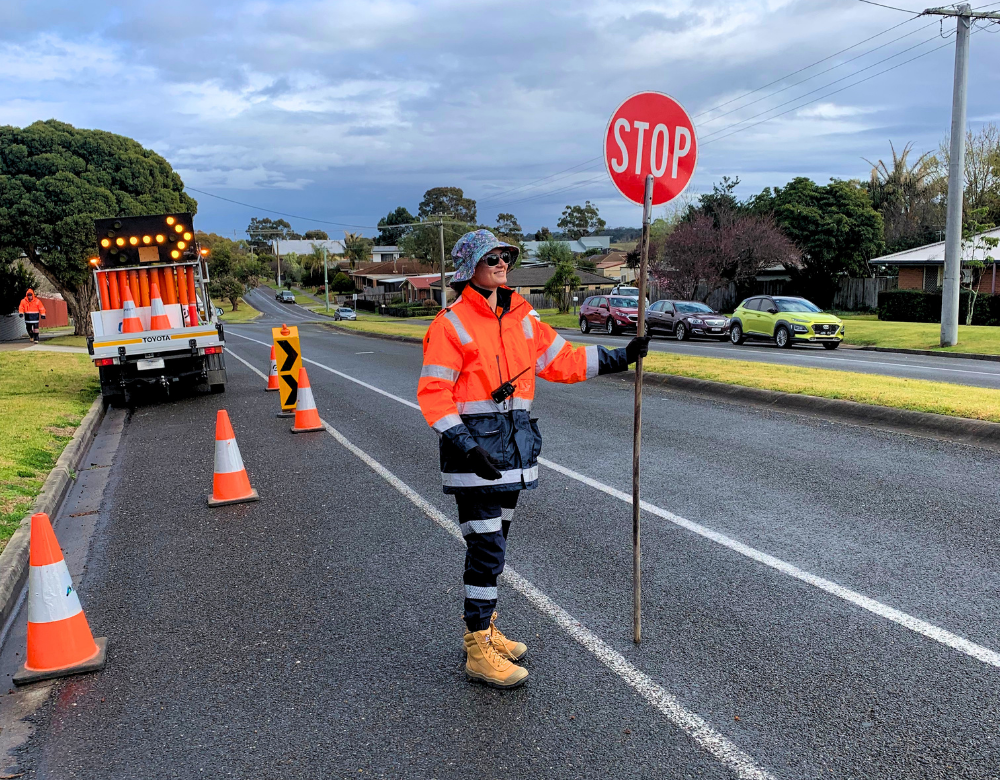
One of those students, Tahlee Ranger, told Paul that the systematic approach she developed through her earlier training gave her a head start when she entered the workplace. Those mental checklists started translating into real decisions on the job.
Today, she's already taking a company ute home and leading teams on jobs.
For Paul, that's what “work ready” should mean.
Not knowing every answer, but having a measured process to fall back on when the environment around you changes.
Why Real-World Experience Shapes Better Training
That philosophy has become even more relevant as the industry continues to adapt to the National Training Framework and harmonised approach to temporary traffic management.
Paul believes the experience of the person standing at the front of the training room matters enormously.
“More trainers with over 10 years on-road experience would be a great start,”
He says.
“Those real-life moments of realisation and clarity come from being able to share things you've actually experienced.”
It's also why practical training shouldn't exist simply to satisfy a requirement. The radio communication, setups, decision-making and scenarios give students somewhere to make mistakes, ask questions and understand why a procedure exists before they're relying on it in a live environment.
Recognising Experience, Maintaining Standards
The same thinking carries across to CTA's Recognition of Prior Learning (RPL) process.
RPL recognises the skills experienced workers have already developed, but Paul is clear that experience alone doesn't automatically equal competency.
“There are clear criteria that have to be mapped and met. It's strictly audited and the evidence has to be current and valid, regardless of who you are.”
It's about recognising genuine industry capability without compromising the standard expected of someone working in a safety-critical environment.
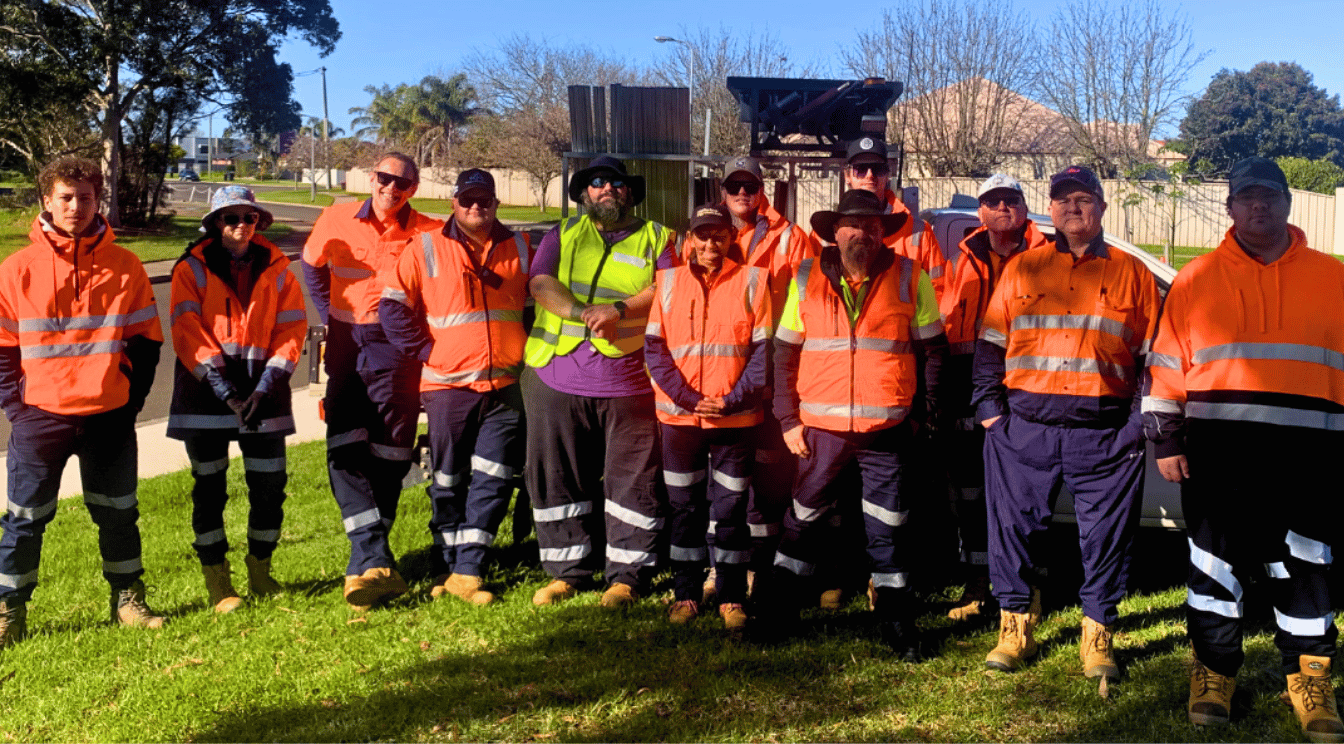
Creating More Opportunities In Melbourne's West
CTA's new Lara training centre means more people across Melbourne's West can access the same hands-on training that's helping students walk onto site feeling prepared, not overwhelmed.
For Paul, it's never been about opening another training location. It's about giving more people the chance to practise the skills they'll rely on when the traffic is moving, the radios are busy and every decision matters.
No matter how the industry evolves, one thing won't change.
"We have to keep learning from what's happening out there."
That's why Paul encourages employers to record every near miss, talk about what happened and share those lessons. The best safety improvements don't come from pretending mistakes never happen. They come from understanding them and making sure they don't happen again.
Because in traffic management, the goal has never been to simply pass a course.
It's to step onto site with the confidence to make good decisions, keep your crew safe and protect every road worker and every member of the public travelling through your work zone.
Here at CTA Create Train Achieve, that's what practical training is really about.
Not just helping people earn a qualification, but helping make sure everyone goes home safely at the end of the day.